Last fact-checked & updated: October 2026 | Verified with Sarawak Tourism Board & Padawan local operators
Located in Padawan, 45 kilometres south of Kuching, lies Bengoh Valley Sarawak. Known as the “Jurassic World of Borneo,” this highland destination features mist-veiled rainforests, cascading waterfalls, and indigenous Bidayuh mountain settlements reached across the Bengoh Dam reservoir.
Why Bengoh Valley Is Nicknamed the “Jurassic World of Borneo”
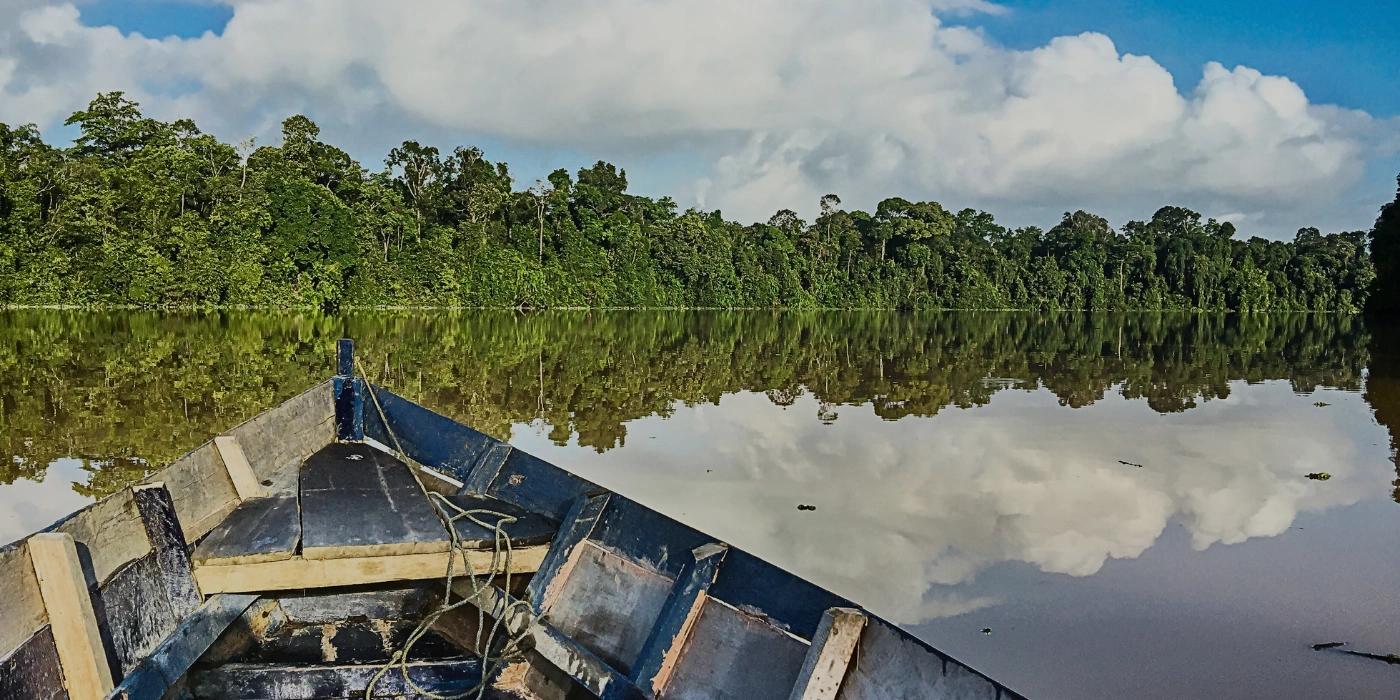
Bengoh Valley earned its viral reputation because its jagged mountains, giant prehistoric flora, and hanging canopy lianas closely mirror scenes from an ancient, untouched world. Crossing the emerald Bengoh Reservoir by longboat reveals sheer cliffs cloaked in morning mist that plunge vertically into serene mountain waters.
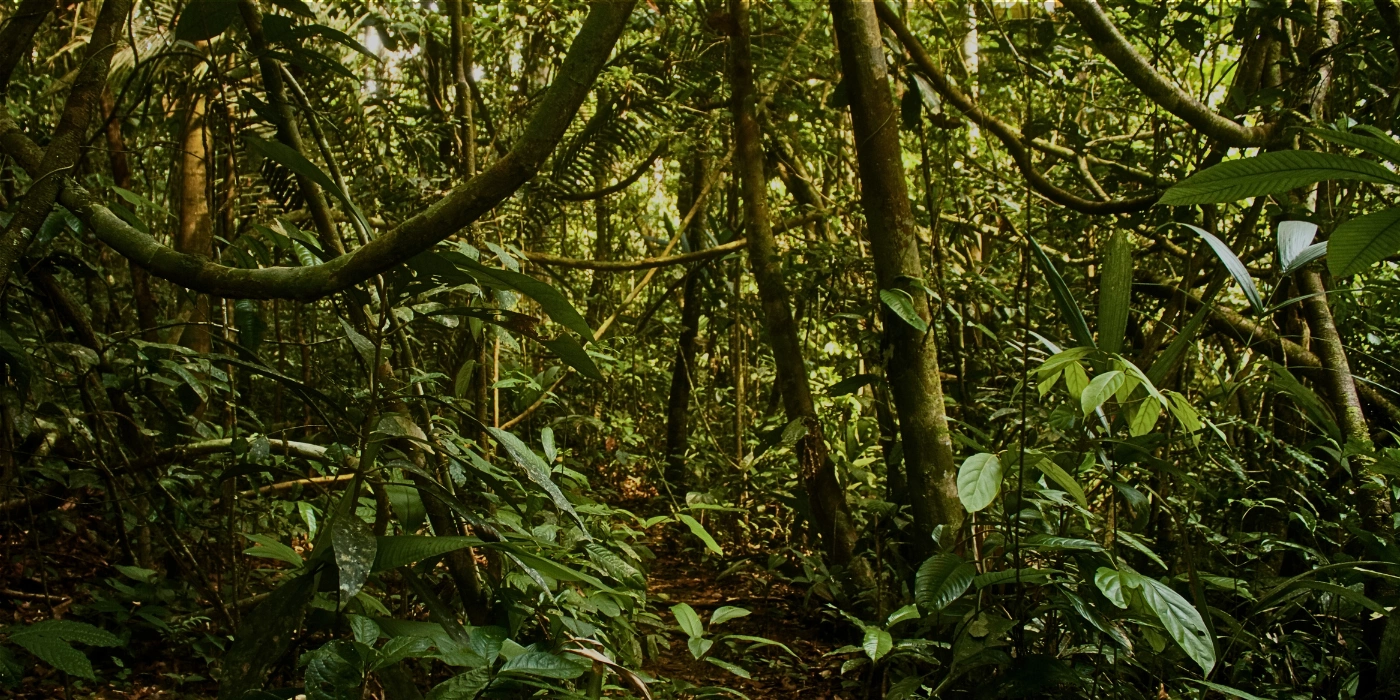
Framed by the Bengoh Range, the valley feeds pristine streams into the Sarawak River catchment. Giant tree ferns, wild ginger, and climbing lianas line the river corridors, where cascading torrents and hornbill calls create a true Borneo wilderness immersion.

The Top Highlights of Bengoh Valley: Waterfalls, Bridges, and Vistas
A trek through Bengoh Valley connects three prime highlights: cascading waterfalls, handmade bamboo engineering, and elevated mountain viewpoints.
1. Susung Waterfall
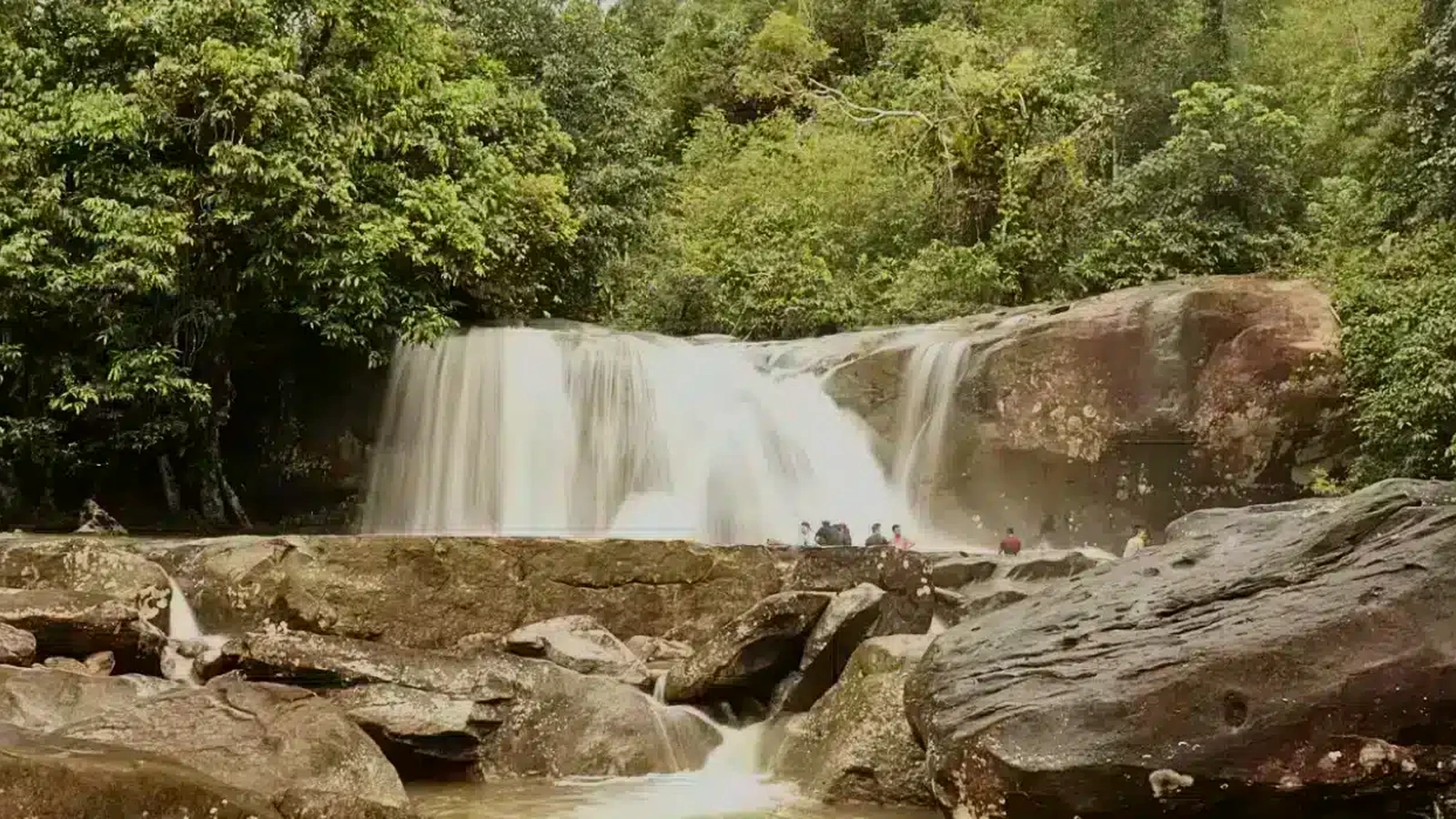
Susung Waterfall is the photographic centerpiece of the valley. Tumbling down a rock amphitheatre into a shaded rainforest hollow, it is framed by giant intertwined hanging lianas. Hikers sit on these natural vines to capture the famous cascade. Swimming directly under the plunge pool is restricted for safety; calm downstream pools welcome wading.
2. Curtain Waterfall (Pe’an Waterfall)
Located 20 minutes before Susung, Curtain Waterfall (Pe’an Waterfall) features a wide sheet of water tumbling over a flat ledge into a sandy pool. It offers a refreshing pool where hikers wade in clear mountain water.
3. Traditional Bidayuh Bamboo Suspension Bridges
To cross rocky ravines and mountain streams, Bidayuh villagers constructed sturdy suspension bridges using bamboo, timber, and steel cabling. Crossing these flexible structures over rocky rivers is an unforgettable highlight.

Kampung Sting: The Bidayuh Village Above the Clouds
Perched atop a commanding ridge overlooking the reservoir, Kampung Sting is a relocated Bidayuh settlement that has pioneered sustainable community-based tourism in Sarawak. Families rebuilt their homes along this ridge following the dam’s impoundment, preserving ancestral agricultural traditions while welcoming eco-travelers.
Kampung Sting is renowned for its dawn “sea of clouds.” Between 6:00 AM and 7:30 AM, cool mountain air forms a dense ocean of white mist over the reservoir, while the hilltop village enjoys clear golden morning light.
An overnight stay provides warm cultural hospitality. Guests stay in clean timber homestays, sleep comfortably under mosquito nets in cool mountain breezes, and enjoy home-cooked meals featuring jungle ferns (midin), bamboo shoots, and traditional Ayam Pansuh (chicken cooked with herbs inside fresh bamboo over fire).
Bengoh Valley Day Tour vs. 2D1N Homestay: Which Should You Choose?
Choosing between a single-day tour and an overnight 2D1N homestay depends on your available time, fitness level, and interest in Bidayuh village immersion.
| Feature | Bengoh Valley Day Tour | 2D1N Overnight Homestay |
|---|---|---|
| Duration | 1 Day (8–9 hours round trip from Kuching) | 2 Days, 1 Night (overnight at Kampung Sting) |
| Main Highlights | Dam cruise, Curtain Waterfall, Susung Waterfall | All Day Tour sights + Kampung Sting sunrise mist & sunset |
| Pacing | Brisk; complete hiking and return transit same day | Leisurely; afternoon village relaxation & unhurried morning descent |
| Cultural Depth | Trail interactions with local boatmen and guides | Rich; home-cooked Bidayuh meals and homestay conversations |
| Physical Demand | Moderate to high; 3–4 hours hiking in humid heat | Moderate; trekking split comfortably across two days |
| Best Suited For | Time-limited travelers and active hikers | Nature photographers, couples, and eco-conscious travelers |
View the Bengoh Valley Day Tour Itinerary Outline
07:30 AM: Kuching pickup and transfer to Padawan.
08:45 AM: Arrival at Bengoh Dam Jetty; boat briefing.
09:15 AM: Longboat crossing across reservoir to trailhead.
09:45 AM: Guided rainforest trek across bamboo bridges.
10:45 AM: Curtain Waterfall swim & rest.
11:30 AM: Trek to Susung Waterfall; liana photography.
12:45 PM: Packed local lunch along the riverbank.
01:45 PM: Trek back to boat landing; return cruise.
03:00 PM: Drive back to Kuching City.
View the 2D1N Bengoh Valley Homestay Itinerary Outline
Day 1: Overland transfer from Kuching; boat across Bengoh Dam. Hike to Curtain and Susung Waterfalls. Afternoon boat ride and uphill trail to Kampung Sting. Check into village homestay, watch sunset, and share a traditional bamboo dinner.
Day 2: 06:00 AM sunrise and morning cloud sea over the dam. Enjoy village breakfast, explore gardens, descend to the jetty, boat back across reservoir, and transfer to Kuching by early afternoon.
Compare our verified Bengoh Valley Day Tour and overnight 2D1N Bengoh Valley Tour before booking.

How to Get to Bengoh Valley from Kuching
Bengoh Valley in Padawan district is located 45 kilometres south of Kuching, reached via road to Bengoh Dam Jetty followed by a required boat transfer. Without public transit to the jetty, guided tours or pre-arranged private transport are necessary.
The drive from Kuching follows Jalan Puncak Borneo through Kota Sentosa and Kota Padawan, taking 60 to 75 minutes on paved roads. At the Bengoh Dam jetty, registered visitors board local motorized longboats for the 15-to-20-minute crossing. Independent boat launches are prohibited to protect the municipal water catchment.
Practical Preparation, Trail Safety, and Packing Essentials
Bengoh Valley trails involve damp rainforest terrain with slick clay paths, tree roots, and wooden steps. Sturdy footwear and dry bags ensure a safe journey.
- High-Traction Footwear: Wear trail runners, hiking shoes, or local rubber shoes (“Kampung Adidas”). Avoid smooth sneakers or sandals.
- Waterproof Dry Bag: A 10L–15L dry bag shields cameras, phones, and clothing during open boat rides and rain showers.
- Hydration: Carry at least 1.5 litres of water per person plus electrolyte replenishment.
- Insect Protection: Apply insect repellent and wear lightweight long trekking pants.
- Ringgit Cash: There are no ATMs in the valley; bring cash for local snacks and crafts.
- Portable Power Bank: Homestays rely on limited solar or generator power; carry a power bank for devices.
Responsible rainforest travel means entering ancestral indigenous lands as respectful guests, preserving nature for future generations.
Ethical & Sustainable Travel Principles in Bengoh Valley
The Bengoh catchment provides essential freshwater to greater Kuching. Adhering to sustainable travel principles protects both the fragile watershed and community livelihoods.
Follow strict Leave No Trace guidelines by packing out all personal waste, including wrappers and plastic bottles. Avoid using chemical soaps or shampoo directly in waterfall pools or forest streams. When visiting Kampung Sting, dress respectfully, request permission before photographing villagers, and always follow your licensed Bidayuh guide’s safety instructions along rivers.
Frequently Asked Questions
How fit do you need to be to hike Bengoh Valley?
Moderate fitness is required. Trekkers walk 1.5 to 2 hours each way across muddy trails, exposed tree roots, and wooden steps. It suits active travelers and teens, but is not recommended for individuals with severe knee issues or limited mobility.
Can you visit Bengoh Valley without a guide or tour?
No. Bengoh Dam is a protected water catchment and trails cross ancestral Bidayuh communal land. Visitors must arrange licensed boat transfers and register with an authorized local Bidayuh guide before entering.
What is the best month to visit Bengoh Valley Sarawak?
The optimal window is Sarawak’s drier season from March through October, when trails are firmer and river conditions are calmer. The monsoon period (November to February) brings powerful waterfalls, but trails become significantly muddier.
Is Bengoh Valley suitable for young children or seniors?
Tours are generally recommended for participants aged 10 and older. The slippery mud slopes, ladder climbs, and bouncy bamboo bridges can be challenging for younger children and elderly guests with mobility concerns.
Plan Your Bengoh Valley Expedition with EcoTour Malaysia
Discover Sarawak’s prehistoric rainforest with certified local Bidayuh guides, seamless round-trip Kuching transfers, authentic village homestays, and responsible travel standards. Explore our tour options today.
Authoritative Sources & Further Reading
- Sarawak Tourism Board: Bengoh Dam Guide
- Forest Department Sarawak: Protected Watersheds
- Sarawak State Government: Padawan Tourism
- Bidayuh Cultural Heritage in Southwestern Sarawak