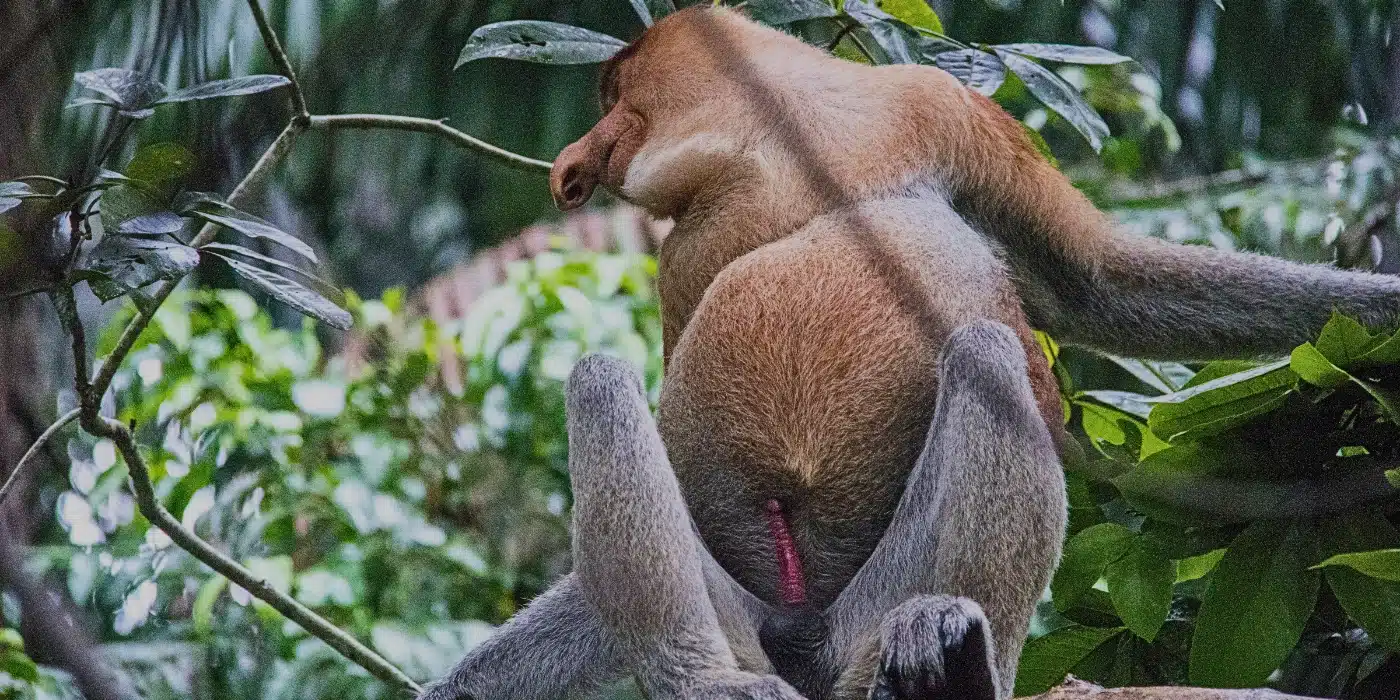
• Biodiversity: Probocis Monkeys, Bearded Pigs, Monitor Lizards, Rainforest Birds
  • Top Activities: Jungle Trekking, Hiking, Birdwatching, Night Walk

Introduction: Why Bako National Park Deserves a Spot on Your Itinerary

Bako National Park is one of Malaysia’s most remarkable eco-tourism destinations. Tucked away just 37 kilometers from Kuching, it may be small in size, but it delivers an adventure of grand proportions.
 
 
As Sarawak’s oldest national park, Bako has preserved its wild charm for over six decades, giving nature lovers a chance to experience rainforest ecosystems, rare wildlife sightings, and rugged coastal beauty all in one compact location. It’s not just a place—it’s a journey into the heart of Borneo’s natural heritage.


What sets Bako National Park apart is its staggering diversity. Despite covering just 27 square kilometers, the park boasts nearly every type of vegetation found on the island of Borneo, from dense dipterocarp forests and freshwater swamps to sandy beaches and wind-carved cliffs.


Each trail winds through these landscapes like a story unfolding—sometimes quiet and contemplative, other times thrilling and wild. The park is home to Proboscis Monkeys, Bearded Pigs, and flying Lemurs, making it a haven for wildlife watchers and photographers alike.


In this guide, we’ll help you plan your entire visit to Bako National Park, from how to get there and which trails to hike, to what to pack, where to stay, and the best times to spot wildlife.
 
 
Whether you're a solo traveler, a couple, or a family with kids, this comprehensive travel guide will make sure you’re well-prepared to experience everything Bako has to offer. Get ready to uncover a side of Borneo that’s wild, accessible, and unforgettable.

Where Is Bako National Park Located?

Bako National Park is located on the Muara Tebas Peninsula in the Malaysian state of Sarawak, Borneo. It lies about 37 kilometers northeast of Kuching, the state capital, making it one of the most accessible national parks in the region.
 
 
Despite its proximity to urban life, Bako feels like a world away from the city— quiet, untouched, and teeming with life. The park is bordered by the South China Sea to the north and lush rainforest to the south, offering dramatic landscapes that shift from sandstone cliffs to secluded coves and swampy estuaries.


Since there are no roads leading directly to the park, visitors must journey first to Bako Village, also known as Kampung Bako. From here, boats ferry travelers across the river to the park’s entrance.
 
 
This slight remoteness is a blessing in disguise— it helps preserve Bako National Park’s wild charm and ensures that every visitor who arrives truly wants to experience nature. The journey to get there is part of the magic, setting the tone for the adventure that awaits inside.

How to Get to Bako National Park from Kuching

Getting to Bako National Park from Kuching is an exciting part of the experience. Your journey begins with a 30–45 minute drive from Kuching city to Bako Jetty, located in Bako Village. This can be done easily via ride-hailing apps like Grab, a local taxi, or a pre-arranged transfer through a tour operator.
 
 
Once you arrive at the jetty, you’ll need to register at the park counter and purchase both the entrance ticket and boat transfer.
 
 
The real adventure begins with a 20–30 minute boat ride along the winding river estuary, flanked by mangrove trees and backed by a skyline of towering sandstone cliffs. As you approach the park, the landscape shifts into something prehistoric and untamed. There are no fancy ports—just a beach landing that often requires a short walk through shallow water, depending on the tide.
 
 
This effort adds to the authenticity and charm of Bako National Park, making every arrival feel like stepping into a remote and sacred space.
 
 
In summary:
  • Travel by Grab/taxi to Bako Jetty (30–45 min)
  • Register at the park counter and buy your entrance + boat ticket
  • Take a scenic 20–30 minute boat ride to the national park

 
➤For a full breakdown on directions and transport, visit here: How to Get to Bako National Park from Kuching: Expert Guide for 2026
A small boat cruising across the sea toward Bako National Park
On the way to Bako National Park! Enjoy the sea breeze and scenic views as your boat approaches Sarawak’s stunning coastal rainforest.

Top Trails in Bako National Park: Which Hike Is Right for You?

Bako National Park offers one of the most diverse trail systems in all of Borneo, with vast marked trails that cater to different fitness levels, interests, and timeframes.
 
 
From short forest walks to full-day treks across plateaued landscapes, each trail provides a different perspective of the park’s ecosystems.
 
 
The beauty of Bako’s trail network lies in its accessibility. You don’t need to be an expert hiker to enjoy the park—many routes, such as Telok Paku or Telok Delima, are beginner-friendly yet rich in biodiversity.
 
 
More challenging hikes, like Bukit Gondol or Ulu Assam, offer rewards in the form of dramatic scenery and solitude.
 
 
Hiking in Bako National Park lets you fully immerse yourself in Borneo’s ancient rhythms. It's healing and memorable.
 
 
➤To learn more about the trails in Bako, visit: The Best Trails in Bako National Park 2026: Which Hike Is Right for You?
Visitors having a hike in Bako, discovering which best trails in Bako national park suits them
Visitors enjoying their hike through Bako’s jungle trails — where every turn reveals a new view, sound, and slice of nature’s beauty

Top Wildlife You Can Spot in Bako National Park

Bako National Park is widely regarded as one of the best places in Southeast Asia to see wildlife in its natural habitat. With no cages or feeding stations, the park offers a genuine, unscripted look into the lives of Borneo’s wild residents.
 
 
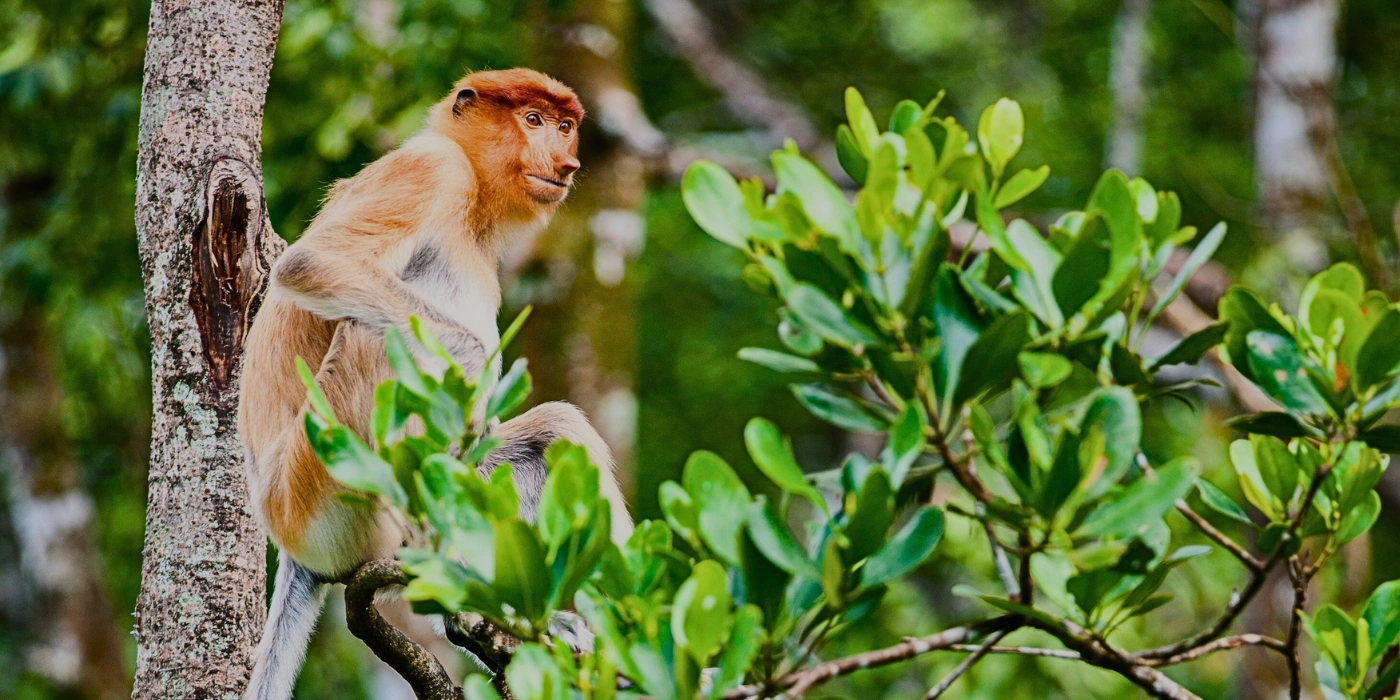
Most visitors come hoping to see the iconic Proboscis Monkey, with its oversized nose and pot belly. These endangered primates are often spotted lounging in mangroves or feeding near the forest edges, especially in the early morning or late afternoon.
 
 
But Bako’s wildlife doesn’t stop there. The park is also home to long-tailed Macaques, Silvered Langurs, Bearded Pigs, Monitor Lizards, and a rich array of bird species, including Hornbills, Kingfishers, and Serpent Eagles. Night walks offer a different thrill—spotting Flying Lemurs, Civet Cats, and even Pit Vipers along the boardwalks.
 
 
Bako National Park feels alive at all hours, and every trail has the potential to become a wildlife encounter. It’s this unpredictability that makes the park such an exciting place for nature enthusiasts and photographers alike.
 
 
Common sightings:
  • Proboscis monkeys (the park's star attraction)
  • Bearded Pigs
  • Silvered Langurs
  • Flying Lemurs
  • Hornbills, Kingfishers & Pit Vipers
 
➤Want to know more about the wildlife in Bako Park? Check here: Top 10 Best Wildlife in Bako National Park to Spot
A proboscis monkey spotted sitting on Bako's trees. it is considered a sought-after wildlife in Bako national park.
Meet Bako’s most famous resident — the proboscis monkey!

Best Time to Visit Bako National Park for Wildlife Watching & Outdoor Activities

The best time to visit Bako National Park is during the dry season, which typically runs from March to October.
 
 
During these months, the weather is more favorable for hiking, and the trails are easier to navigate without the risk of heavy rainfall turning paths muddy and slippery.
 
 
Drier weather also means better chances of spotting wildlife, as animals tend to be more active and visible during early morning or late afternoon hours when the temperatures are cooler.
 
 
Visiting in the wet season—from November to February—is still possible, but it comes with its own set of challenges. Trails may be closed due to flooding, and boat transfers can be affected by rough sea conditions.
 
 
However, the rainforest looks especially lush during this time, and the crowds are fewer.
 
 
If you’re planning a trip focused on outdoor activities or animal sightings, the drier months will provide the most rewarding experience. Regardless of when you visit, Bako National Park’s dynamic environment guarantees something magical each time.
 
 
Tips:
  • Early mornings & late afternoons are best for animal activity
  • Avoid the rainy season if you're planning to do more outdoor activities

 
➤ Take a closer look here and gain more information on the weather season of Bako: Best time to visit Bako National Park for Wildlife Sightings & Outdoor Activities
A person marking his calendar to determine the best time to visit bako national park
Planning ahead pays off! The best time to visit Bako National Park is during the dry season (March–October) for clear skies and smooth hiking conditions.

What to Pack for Bako National Park

Don’t underestimate this little jungle escape! Weather and trail conditions can be unpredictable.
 
 
Must-haves:
  • Quick-dry clothing
  • Trail shoes/sandals with grip
  • Rain poncho
  • Insect repellent
  • Water bottle
  • Snacks
  • Camera/binoculars
 
➤Make sure to read our new blog for a full packing checklist: What to Pack for Bako National Park: Practical & Useful Guide
A women deciding what to pack for Bako National Park
Before heading to Bako, take a moment to plan your pack! From comfy clothes to insect repellent, a little prep goes a long way.

Bako Day Tour: Complete Jungle Adventure in 1 Day

A Bako National Park Day Tour is the perfect way to enjoy a complete jungle adventure in just one day.
 
Typically run from 8:30 AM to 3:30 PM, the trip begins with a hotel pickup in Kuching, followed by a scenic drive and boat ride through mangrove forests to the park headquarters.
 
 
At Bako, you’ll set out on a guided jungle trek through lush rainforest trails and coastal paths while keeping an eye out for proboscis monkeys, silver leaf monkeys, macaques, bearded pigs, and a wide variety of birds and reptiles.
 
 
The experience combines wildlife encounters, rainforest exploration, and dramatic seaside scenery all in one day.
 
 
A lunch break at the park is usually included before returning by boat and vehicle to Kuching in the late afternoon.
 
 
➤ At Ecotour Malaysia, we offer a complete day tour that encapsulates the wonders of Bako in just one day. To learn more, visit: Bako Day Tour Itinerary: 1 Day Trip with Ultimate Jungle Adventure
A long-tailed macaque walking along the coastline of Bako National Park, with the sea in the background.
A curious long-tailed macaque strolling along Bako’s coastline — one of the many wildlife encounters that make the park so special. (Photo by: Allyson Lees)

Family Travel to Bako National Park: Kid-Friendly Tips

Bako National Park may not immediately strike you as a family destination, but with the right planning, it can become an unforgettable adventure for older children and teenagers.
 
 
The park’s rugged trails, wildlife encounters, and rustic atmosphere are best enjoyed by kids aged 10 and above, who can fully appreciate the hiking and jungle experience. On the other hand, Younger children may struggle with the heat, uneven terrain, and lack of facilities.
 
 
For those with teens or older kids, the rewards are plenty. Trails like Telok Paku and Telok Pandan Kecil offer manageable treks with opportunities to spot monkeys and bearded pigs.
 
 
Additionally, packing the essentials—snacks, reusable water bottles, sun protection, and lightweight rain gear—will make the journey smoother.
 
 
Accommodation inside the park is simple, but many older kids find the experience of “sleeping in the jungle” thrilling, especially when paired with a guided night walk to spot nocturnal wildlife.
 
 
For adventurous families, a trip to Bako often becomes the highlight of their time in Borneo—not only for the nature, but for the sense of discovery it inspires.
 
 
Tips:
  • Best for kids aged 10+ and teenagers
  • Choose family-friendly trails like Telok Paku or Telok Pandan Kecil
  • Bring snacks, sunscreen & hats
  • Use waterproof backpacks for gear
  • Consider a day trip if traveling with younger children
 
➤ Click here for everything you need to know about Bako Park family accessibility: Family Travel to Bako National Park: 10 Best Family-Friendly Tips
 
Two sisters hiking along a forest trail in Bako National Park, surrounded by lush greenery and natural scenery.
Make the most of your family hike in Bako! Trails like Telok Pandan Kecil and Telok Paku are ideal for adventurous teens and older kids.

Is Bako National Park Worth Visiting? Honest Review
Yes—Bako National Park is absolutely worth visiting, especially if you’re already in Kuching or planning a nature-focused itinerary in Sarawak. The park offers a rare combination of accessibility and ecological richness.
 
 
Where else in Borneo can you hop on a boat in the morning, hike through multiple forest types by midday, and watch Proboscis Monkeys or Hornbills in the wild before sunset? Bako delivers big adventure in a small, manageable package.
 
 
Unlike some national parks that require days of trekking or expensive jungle lodges, Bako National Park is budget-friendly and doable in a day or overnight. It’s wild, but not intimidating; remote, but not unreachable.
 
 
It has something for everyone—photographers, hikers, wildlife lovers, families, and even first-time adventurers. If you're looking for a travel experience that feels truly authentic, without venturing too far off-grid, Bako National Park should be high on your list.
 
 
➤ For a comprehensive review, don't miss: Is Bako National Park Worth Visiting? Honest Review & Guide
A proboscis monkey perched on a tree branch in Bako National Park, surrounded by lush green forest.
Spotting the proboscis monkey is a highlight of any Bako trip — it’s definitely worth visiting the park just to see this iconic species up close!

Telok Pandan Kecil Trail: Don’t Miss This Iconic Hike

Among all the trails in Bako National Park, Telok Pandan Kecil stands out as the most iconic. This moderate hike takes you through a variety of landscapes, from shaded rainforest paths to open cliffside views overlooking the South China Sea.
 
 
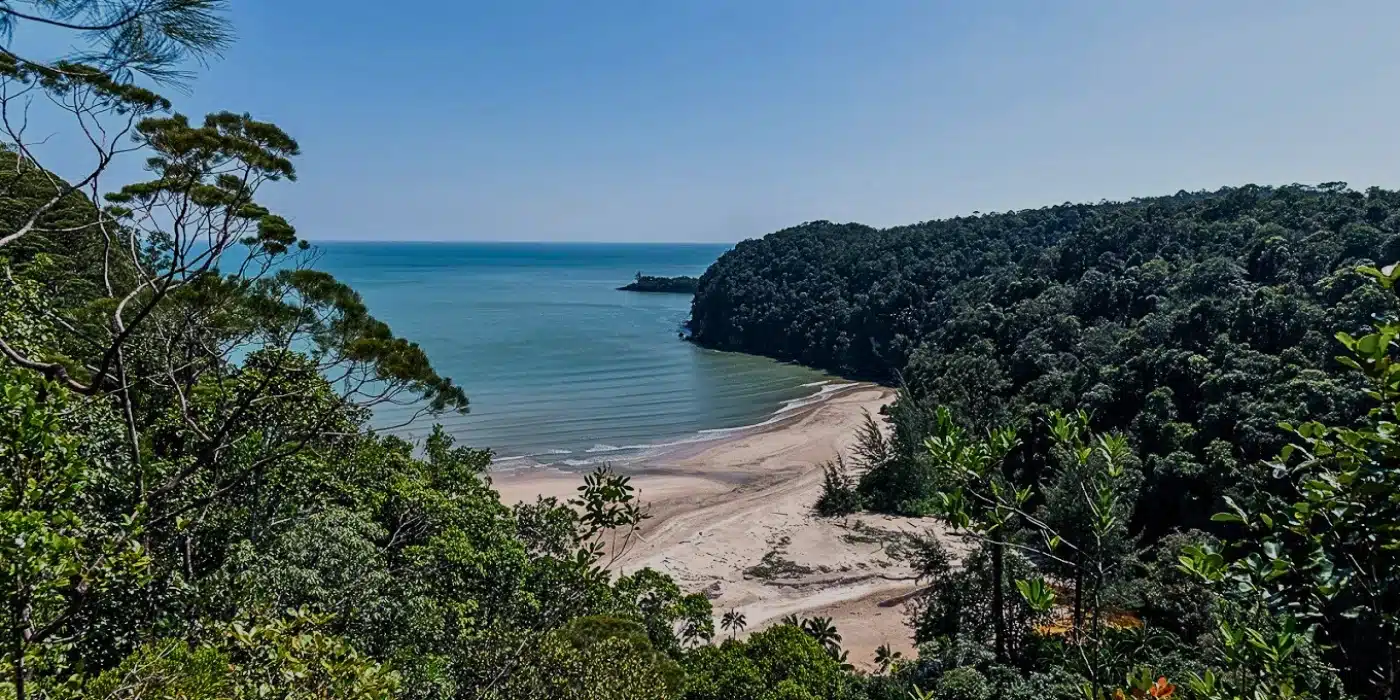
The trail ends with a breathtaking panoramic viewpoint that looks down on a secluded beach framed by dramatic sea stacks and sandstone cliffs. It’s one of the most photographed spots in the park—and for good reason.
 
 
After soaking in the views, you can descend a short path to reach the beach itself. Depending on the tide, the beach is perfect for a quiet break or a quick splash in the water.
 
 
The return hike offers a different perspective, as you retrace your steps under the golden light of the late afternoon. If there’s only one trail you can do at Bako National Park, make it this one. It captures the soul of Bako in a single, unforgettable journey.
 
 
Highlights:
  • Stunning cliff view over the beach
  • Hidden cove ideal for a picnic
  • Sunset views if you time it right
 
➤ Read this full guide to explore the Teluk Pandan Kecil trail thoroughly: Telok Pandan Kecil Trail: Unforgettable Views and Sunset Magic in Bako
 
View of the turquoise sea seen from the top of the Telok Pandan Kecil trail in Bako National Park.
From the Telok Pandan Kecil trail, hikers are rewarded with sweeping views of the turquoise sea below. (Photo by: Piotr Adasiewicz)

2D1N Bako National Park Itinerary: Make the Most of Your Trip

Planning to stay overnight? Smart move. Staying a night in Bako lets you experience both its daytime adventures and nighttime wildlife, giving you the full jungle experience without feeling rushed.
 
 
Short summary:
  • Day 1: Arrive by boat from Kuching, check in at the park headquarters, and start exploring Bako’s scenic trails. In the evening, join the guided night walk to spot nocturnal creatures like frogs, tarsiers, and other hidden wildlife.
  • Day 2: Wake up to the sounds of nature and enjoy breakfast surrounded by rainforest views. Take a short morning walk or relax by the beach before catching your boat back to the city before noon.

 
➤ For a more detailed overview of a 2D1N Bako itinerary, you might want to check our package here: 2D1N Bako Tour Itinerary: Inside Sarawak’s Legendary National Park
A snake spotted during a night walk during a 2D1N Bako National Park Tour
Night walks in Bako reveal the park’s hidden world — like this snake spotted during a 2D1N Bako National Park Tour. A thrilling glimpse of Bako after dark!

Final Thoughts: Is Bako National Park Your Next Great Adventure?

Bako National Park isn’t just a checklist destination—it’s a transformative experience.
 
 
Regardless of whether you visit for a day or choose to stay overnight, you’ll come away with a deeper appreciation for the raw beauty of Borneo’s rainforest.
 
 
There’s a kind of magic in spotting a Proboscis Monkey in the wild or watching the sun set over Telok Pandan Kecil’s cliffs. These are moments that don’t just impress—they stay with you. And the best part? It’s all within reach, without needing multi-day treks or luxury price tags.
 
 
In a world where travel often feels rushed or overproduced, Bako National Park offers a return to something more real. You arrive barefoot on the beach, hike on dirt paths carved by time, and sleep to the sound of the jungle—unfiltered and unforgettable.
 
 
It’s this simplicity that makes the experience profound. Here, the rainforest doesn't just surround you; it speaks to you. It challenges your senses, resets your pace, and invites you to be fully present.
 
 
So, is Bako National Park your next great adventure? If you’re craving something wild but accessible, profound yet practical, then yes, without a doubt.
 

Frequently Asked Questions (FAQ)

Yes, but the dry season is the most enjoyable for hiking and spotting wildlife.