Quick Answer: Malaysia's best Rafflesia sites are Poring in Kinabalu Park (R. keithii, blooms to 80 cm, RM15/RM30 observation fee), Tambunan's Rafflesia Information Centre (R. pricei, RM5/RM15 entry), and Royal Belum State Park in Perak. Each flower opens for only 4–7 days, so confirm a bloom before travelling.
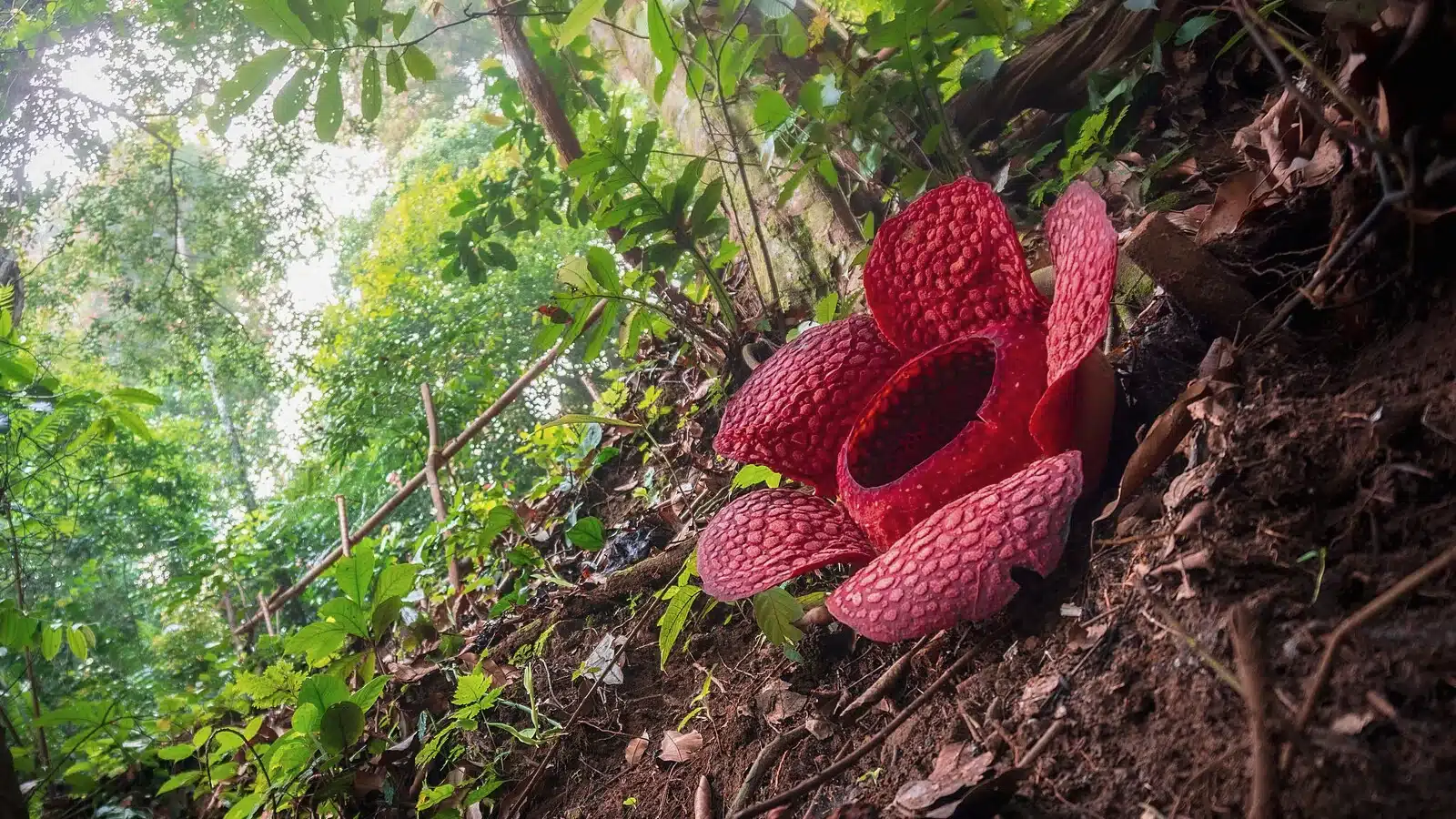
Rafflesia is a parasitic plant with no leaves, no stem, no roots and no chlorophyll. It lives entirely inside a host vine — usually a Tetrastigma species — and only becomes visible when a cabbage-like bud breaks out of the host and eventually opens as a giant five-petaled flower.
Two numbers explain why sightings are rare. First, a bud takes months to develop — around nine months at Lojing Highlands in Kelantan, where guides monitor buds on the host vines. Second, once the flower opens, it lasts only 4–7 days before blackening and collapsing; Sabah Forestry's bloom alerts for Tambunan in October and November 2026 each ran for exactly seven days. A 2023 University of Oxford-led assessment found 60% of Rafflesia species face a severe risk of extinction and about 67% of known habitats fall outside protected areas, so every surviving population matters.
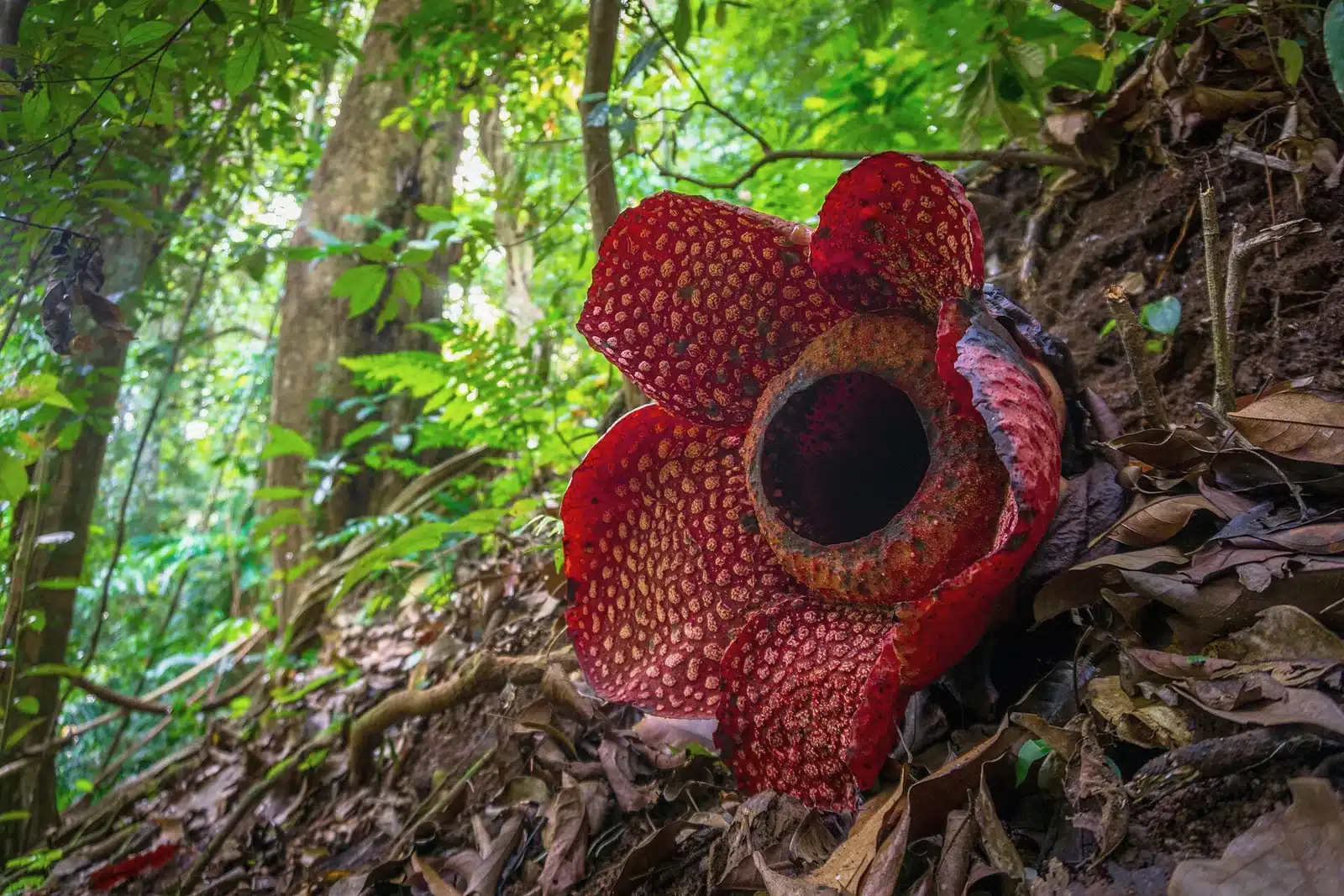
Sabah Parks grows Rafflesia keithii at its Rafflesia Conservation Centre at Poring, near Ranau, about 136 km from Kota Kinabalu (Sabah Tourism Board, page reviewed October 2026). A Sabah Parks botanical officer told Bernama the centre's flowers bloom throughout the year, depending on how many buds the host vines carry — the strongest reliability signal of any Malaysian site. Recent confirmed blooms include a 65 cm R. keithii reported from Monday 9 November 2026 at Poring's Tropical Garden (The Star, 12 November 2026) and a 75 cm flower from 14–18 June 2026 posted by Sabah Parks. R. keithii is Sabah's largest species, recorded up to about 80 cm across — one measured 101 cm at a community garden in Tamparuli in April 2025.
Run by the Sabah Forestry Department about 1.5–2 hours' drive from Kota Kinabalu, this centre protects Rafflesia pricei, a smaller species around 30 cm in diameter, in forest plots at 1,200–1,400 m elevation. Sabah Forestry's Facebook page posts bloom alerts with dates and flower sizes, and the centre posts staff at +60 88 899 589. The centre opens 8am–3pm, and entry to the conservation plots after 3pm is strictly prohibited.
The third Sabah species, Rafflesia tengku-adlinii (about 20 cm, the smallest and rarest), grows around Gunung Trus Madi and Maliau Basin, which you can reach on extended Borneo circuits. Many travellers pair a Poring bloom-check with a Kinabatangan river cruise — the Kinabatangan UNESCO Biosphere Reserve is covered in our Kinabatangan river cruise guide, and the region also rewards birders, as our article on birdwatching in Tabin explains.
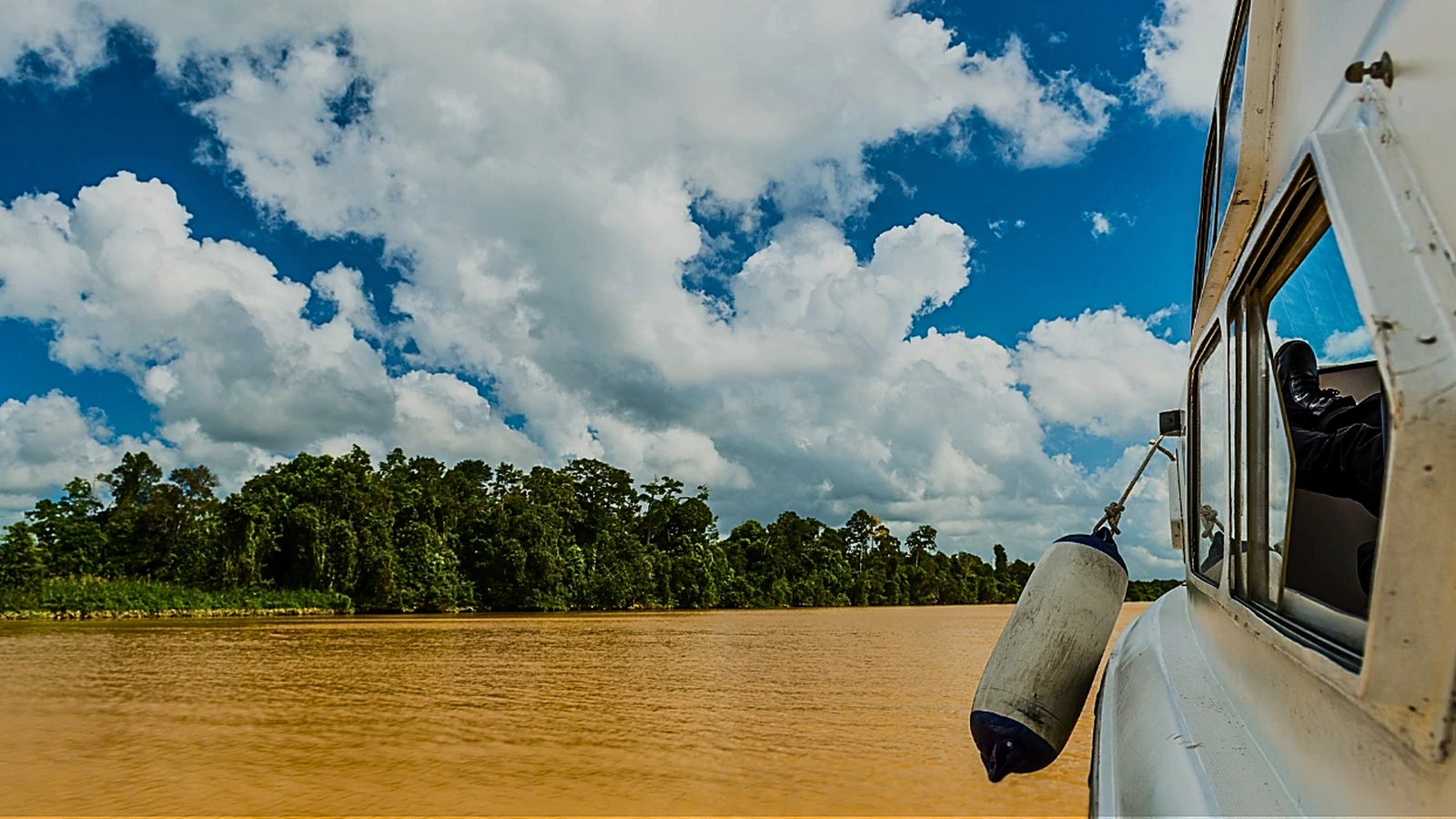
This 117,500-hectare park protects three Rafflesia species — R. azlanii, R. kerrii and R. cantleyi — in forest over 130 million years old. Access is by boat from Banding Island, and permits are mandatory: the Perak State Parks Corporation schedule lists entry at RM10 for Malaysians and RM20 for non-citizens plus a RM5 conservation charge (2012 schedule — confirm current figures), with permit applications at least four working days ahead. Our complete Royal Belum State Park ecotourism guide covers the houseboats and logistics in detail.
Lojing Highlands, Kelantan. The Taman Konservasi Rafflesia Tanah Tinggi Lojing, about an hour from Cameron Highlands, protects Rafflesia kerrii. Treks are led by indigenous Temiar trackers and operators post a clear disclaimer: blooms cannot be guaranteed, and the flower lasts only 4–7 days (GetYourGuide listing, 2026). Endau-Rompin on the Johor–Pahang border also records Rafflesia blooms in season; see our Endau-Rompin National Park ecotourism guide for planning that route.
Fees are modest, and they fund the conservation of some of the world's rarest plants:
| Site | State | Species | Typical bloom size | Entry / observation fees (source, as of) | How to confirm a bloom |
|---|---|---|---|---|---|
| Poring, Kinabalu Park | Sabah | R. keithii | up to ~80 cm | RM50 international conservation fee + RM30 Rafflesia observation (Malaysian: RM10 + RM15) — Sabah Parks, 14 Nov 2026 | Sabah Parks Facebook page |
| Rafflesia Information Centre, Tambunan | Sabah | R. pricei | ~30 cm (max ~45 cm) | RM15 international entry + RM100 guide per 5 pax (Malaysian: RM5 + RM50) — Sabah Tourism Board, Nov 2025 | Sabah Forestry Facebook / +60 88 899 589 |
| Royal Belum State Park | Perak | azlanii, kerrii, cantleyi | varies by species | RM20 non-citizen entry + RM5 conservation (Malaysian: RM10 + RM5) — 2012 schedule, confirm current | Park operator at booking |
| Lojing Highlands | Kelantan | R. kerrii | varies | Guided 4WD trek packages; full refund if no bloom — GetYourGuide, 2026 | Operator before booking |
There is no fixed Rafflesia season in Malaysia. At Poring, Sabah Parks reports flowers bloom year-round depending on bud numbers, so timing is about confirmation, not calendar. The practical method: watch the Sabah Parks and Sabah Forestry Facebook pages, which announce blooms with dates and sizes as soon as rangers spot an opening, then travel within the first three days — petals are fully extended around day three and start darkening by day four. Because a bloom lasts 4–7 days, a rigid itinerary booked months ahead carries real risk; build a flexible day in Kota Kinabalu or the Cameron Highlands area that can pivot to a bloom alert.
The 2023 global assessment lists trampling of young buds hidden beneath leaf litter as a direct ecotourism risk to the species. Follow the rules that rangers repeat at every site:
Supporting these centres is what converts a "ghost flower" into a protected income stream for forest communities — the reason many surviving Rafflesia populations exist at all.
A Rafflesia bloom lasts 4–7 days. Petals are fully extended around day three, darken by day four, and the flower withers within a week. Sabah Forestry bloom alerts in October and November 2026 each ran for exactly seven days.
No. Tambunan requires a mandatory guide (RM50 per group of five Malaysians, RM100 for internationals), and Poring's bloom observation is managed by Sabah Parks rangers. Guided access protects the buds hidden under leaf litter.
No. Sabah Parks reports that Rafflesia keithii at Poring blooms throughout the year depending on bud numbers. Check the Sabah Parks or Sabah Forestry Facebook pages for current bloom alerts before travelling.
Poring Hot Springs in Kinabalu Park, about 136 km away, is the most reliable site near Kota Kinabalu. Tambunan's Rafflesia Information Centre is closer at about 1.5–2 hours' drive, but sightings of its smaller R. pricei are less predictable.
Planning a wider Borneo nature trip? Read our Kinabatangan river cruise guide, the guide to where you can see sea turtles in Malaysia, and the Gunung Mulu National Park ecotourism guide for Sarawak's UNESCO caves.
Sources: Sabah Parks official fees pages (last updated 14 November 2026); Sabah Tourism Board destination pages for the Rafflesia Information Centre and Poring Hot Spring (reviewed 2025–2026); Bernama and Daily Express reporting on the Poring Rafflesia Conservation Centre; The Star (12 November 2026); Perak State Parks Corporation fee schedule; GetYourGuide Lojing Highlands listing (2026); Plants, People, Planet, "Most of the world's largest flowers (genus Rafflesia) are now on the brink of extinction" (2023). Fees and bloom availability change — confirm with the managing authority before travelling.