thecircllehq
November 9, 2026
Quick Answer: Malaysia’s two best sea turtle destinations are Turtle Islands Park off Sandakan, where green and hawksbill turtles nest year-round, and Chagar Hutang sanctuary on Redang Island, which protected 1,731 nests in 2020. Conservation fees at Turtle Islands Park run RM 20–RM 60 per person per day.
Sea turtles are one of Malaysia’s most rewarding wildlife encounters, and the country protects nesting beaches on both coasts: a state marine park in Sabah run by Sabah Parks, and a university-run research sanctuary in Terengganu. Both are conservation projects first and attractions second.
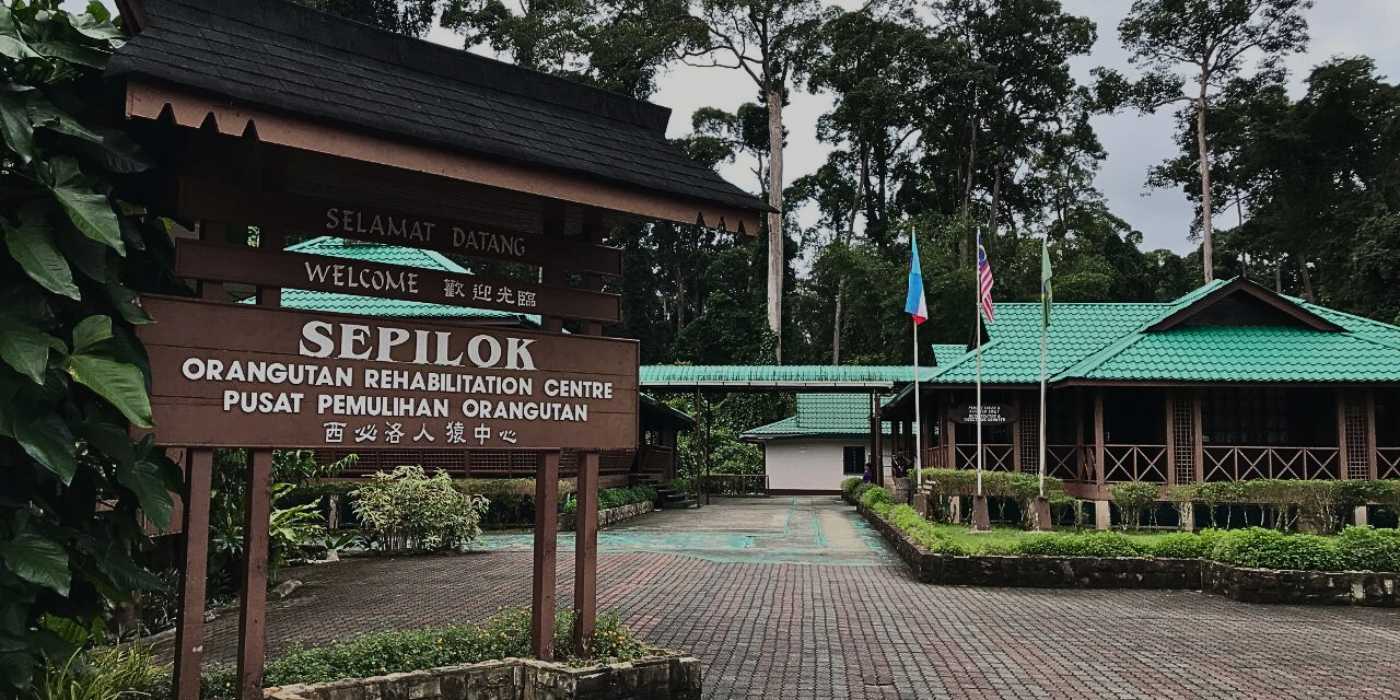
Pairing turtle nesting with a Kinabatangan River cruise or the Sepilok Orangutan Rehabilitation Centre makes one of the most complete responsible-wildlife circuits in Southeast Asia.
Green turtles (Chelonia mydas) and hawksbill turtles (Eretmochelys imbricata) are the two species you can realistically observe, and both nest on Malaysia’s east-coast islands and along Sabah’s Sulu Sea fringe.
In Sabah, Turtle Islands Park lies 40 km north of Sandakan and covers 1,740 hectares of islands, reefs, and sea across Selingan, Bakungan Kechil, and Gulisan. It has been a marine park since 1977, Sabah Parks staff are resident on all three islands, and hatcheries operate on each. Green turtles favour the northern and western beaches of Bakungan Kechil; hawksbills prefer tiny Gulisan.
In Terengganu, the standout site is Chagar Hutang Turtle Sanctuary on the north coast of Redang Island — a 350-metre crescent beach gazetted as a turtle sanctuary by the state government in 2005. It records between 700 and 1,700 nests annually and is closed to the public: only researchers and registered volunteers with the Sea Turtle Research Unit (SEATRU) of Universiti Malaysia Terengganu may set foot on it.
There is a sobering footnote. Rantau Abang, further down the Terengganu coast, was once world-famous for leatherback turtles; leatherback nesting in Malaysia has since collapsed. Meanwhile green turtle nests at Chagar Hutang have grown from roughly 200–300 per year in the 1990s to 1,000–1,500 recently — the direct result of decades of egg protection.
The two experiences suit different travelers. Turtle Islands Park is a bookable overnight wildlife experience; Chagar Hutang is a research station you join as a week-long volunteer.
| Turtle Islands Park (Sabah) | Chagar Hutang (Redang, Terengganu) | |
|---|---|---|
| Managed by | Sabah Parks (marine park since 1977) | SEATRU, Universiti Malaysia Terengganu (sanctuary since 2005) |
| How to visit | Overnight stay with park chalets and guided turtle watching | One-week volunteer program only; beach closed to public |
| Nesting season | Year-round; green peak July–October, hawksbill peak February–April | April–October; peak May–July |
| Annual nests | Hatcheries on all three islands | 700–1,700 nests (record: 1,731 protected in 2020) |
| Species | Green and hawksbill turtles | Mainly green turtles; fewer than 10 hawksbill nests per year |
| Daily conservation fee | RM 60 international adult / RM 30 child; RM 20 Malaysian adult / RM 10 child | Not a day-visit site; volunteer fees set by SEATRU |
| Typical commitment | 1 day / 1 night | 7 days (Saturday to Saturday) |
| Best for | Families and travelers wanting a guided, reliable sighting | Travelers who want hands-on conservation work |
A female green turtle lays around 100–140 eggs per clutch, and eggs incubate for 45–70 days before hatchlings race to the sea. At Selingan, rangers collect every clutch and rebury it inside the protected hatchery, which is why the nightly landing and hatchling release are reserved for overnight guests — turtles come ashore only after dark.
At Turtle Islands Park, turtles land every month of the year, so timing is about odds rather than possibility. Green turtle nesting peaks between July and October; hawksbill nesting peaks between February and April. Going overnight raises your chances far more than fine-tuning the month.
At Chagar Hutang, the season is narrower: nesting runs roughly April through October, with peak activity in May to July, when more than 30 landings can occur in a single night. The SEATRU volunteer program runs in one-week slots over this window.
A practical note for Sabah: the March–October dry season that makes wildlife spotting along the Kinabatangan productive overlaps the green turtle peak, so July–October is the best window to combine river safaris with turtle islands in one trip. On the peninsula, Redang’s resorts and boat transfers largely shut down during the November–February monsoon.
The park is reached by boat from Sandakan, on Sabah’s east coast. Most visitors fly Sandakan from Kota Kinabalu, then transfer to the jetty for the roughly one-hour ride to Selingan — the only island with visitor chalets. Several of Ecotour Malaysia’s Sabah experiences depart from Sandakan, including the full-day Sepilok wildlife tours, which combine naturally with an overnight turtle trip.
Two things to confirm before booking. First, chalet numbers on Selingan are limited, so book ahead through Sabah Parks or a licensed operator. Second, check current access and fees directly with Sabah Parks — charges vary by activity and visitor category, and the park advises confirming permits in advance.
Yes, and Chagar Hutang is the country’s flagship program. SEATRU has run its volunteer program since 1998, and volunteers are its backbone — patrolling the beach at night, recording every turtle arrival, tagging and measuring nesting females, protecting nests with mesh, and monitoring hatchling emergence.
Be realistic about what you are signing up for. Chagar Hutang is deliberately isolated: no mobile network, minimal electricity, and simple wooden cabins. Night patrols run late and much of the daytime work is physical. In exchange, you get a 350-metre sanctuary beach that almost nobody else is allowed on, plus snorkelling and the daily reality of conservation science. Slots are one week long and demand regularly exceeds supply, so early registration through SEATRU’s official site is essential.
Because both sites are conservation projects, the rules are strict, and they exist for the turtles’ survival:
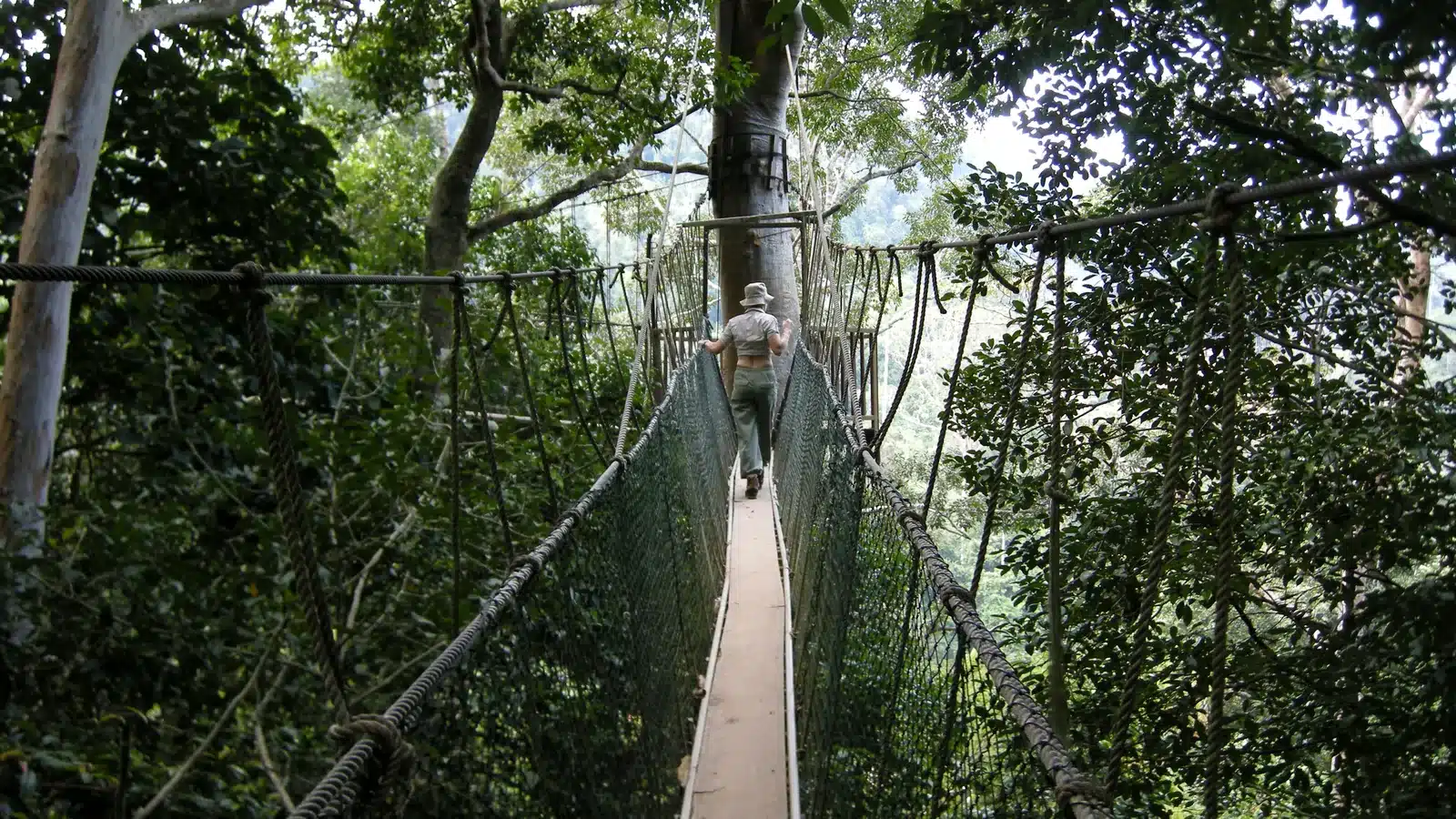
Responsible wildlife viewing is the same discipline you would apply at Sepilok or on a river cruise — observe, learn, and leave the animals’ routine untouched. The same principles hold across Malaysia’s protected areas, from the Danum Valley rainforest to the marine parks of Terengganu, whose Redang and Perhentian islands are among the country’s top marine ecotourism draws.
No, not at the main sanctuaries. At Turtle Islands Park, both the turtle landings and the hatchling release happen at night, and Sabah Parks reserves these experiences for overnight guests — only Selingan Island has visitor chalets. At Chagar Hutang on Redang, the beach is closed to the public entirely and only open to SEATRU researchers and registered volunteers.
Sabah Parks charges a conservation and entry fee of RM 60 per person per day for international visitors aged 18 and above, RM 30 for those aged 17 and below, and RM 20 (adults) or RM 10 (children) for Malaysians. Boat transfers, chalet accommodation, and meals are booked separately from the fee, and the park advises confirming current charges before travelling.
At Turtle Islands Park in Sabah, green and hawksbill turtles come ashore year-round; green turtle nesting peaks from July to October and hawksbill nesting from February to April. At Chagar Hutang on Redang Island, nesting runs from April to October with a peak in May to July, when more than 30 landings can occur in a single night.
Yes. The SEATRU volunteer program at Chagar Hutang Turtle Sanctuary on Redang Island has run since 1998 and uses volunteers for nightly beach patrols, nest protection, tagging, and hatchling monitoring. Slots are one week long, run during the April-to-October nesting season, and typically sell out, so early registration is essential.
Turtle Islands Park is the more practical family choice. It offers guided overnight stays with chalets and ranger-led turtle watching, reachable by a roughly one-hour boat ride from Sandakan, while Chagar Hutang requires a week-long volunteer commitment with no mobile network, minimal electricity, and physically demanding work better suited to adults and serious conservation travelers.