Last fact-checked: October 2026
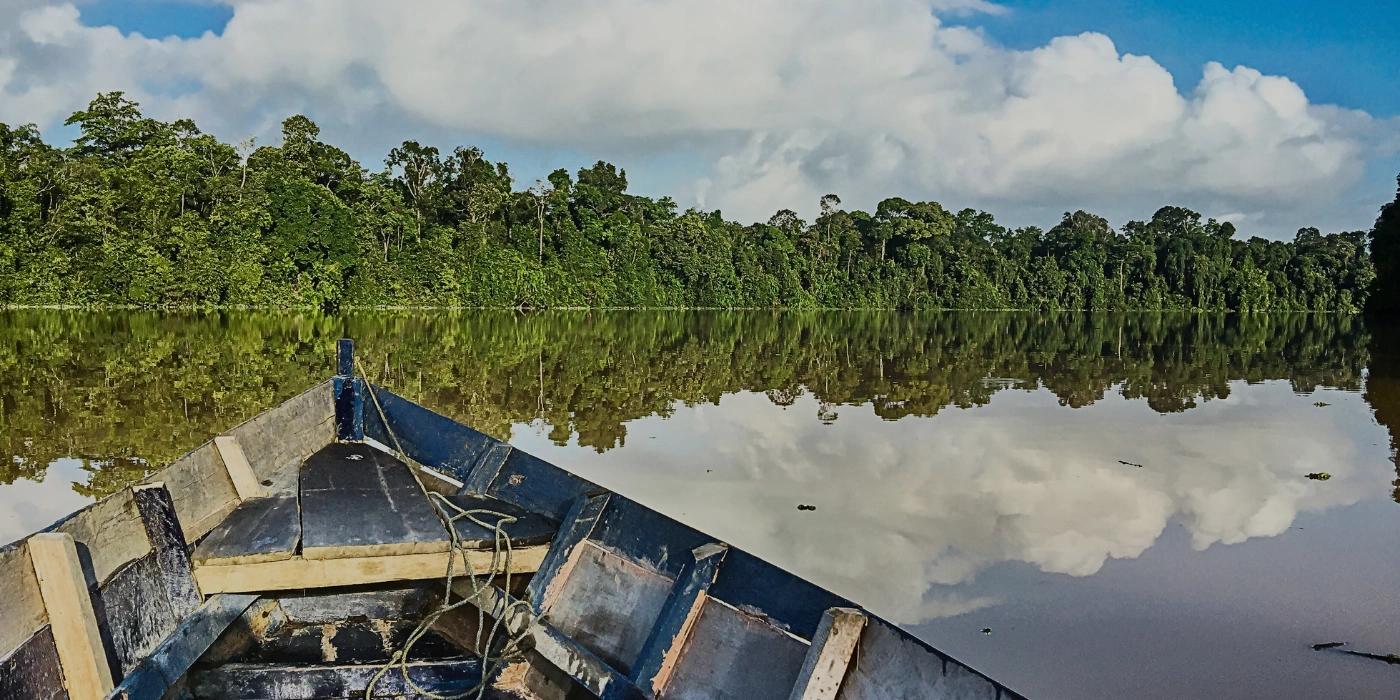
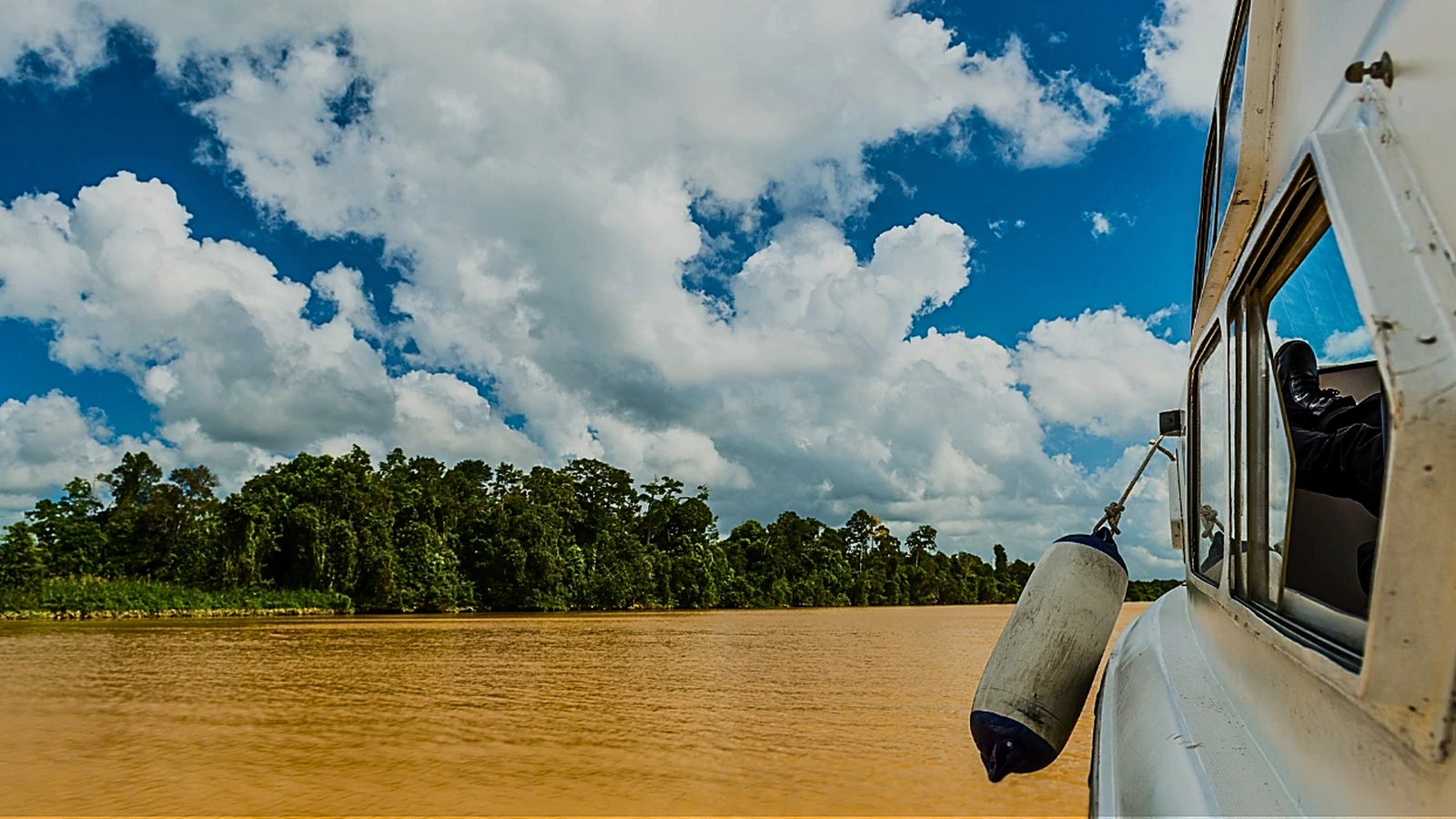
The Kinabatangan River has long been one of Sabah’s best-known wildlife destinations. Its international significance became even clearer in 2025, when UNESCO designated the wider Kinabatangan Biosphere Reserve. The recognition covers far more than the river cruises most visitors know: it connects forests, wetlands, villages, agricultural landscapes and the Lower Kinabatangan-Segama wetland system.
What Is the Kinabatangan UNESCO Biosphere Reserve?
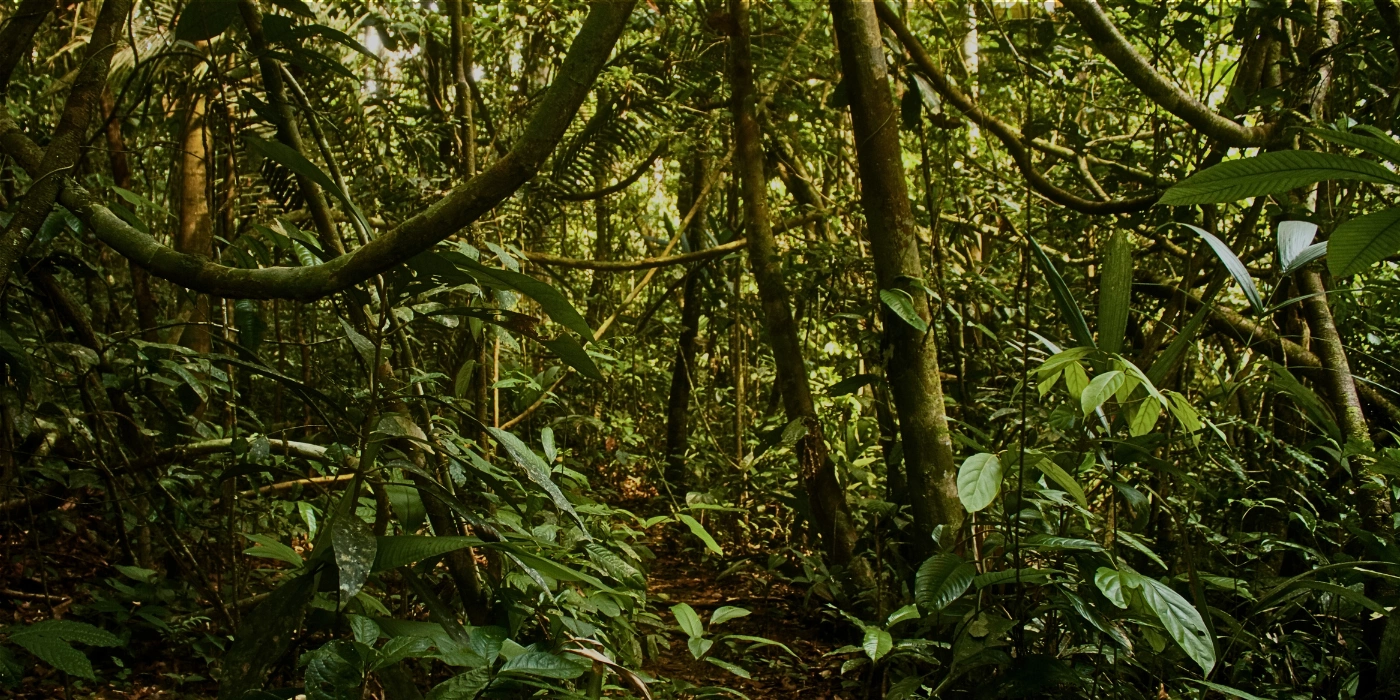
UNESCO’s Man and the Biosphere Programme lists the reserve at approximately 413,867 hectares. The landscape follows the Kinabatangan system from inland habitats toward the Lower Kinabatangan-Segama Wetlands and the coast. It includes dipterocarp and limestone forests, peat swamp, freshwater wetlands, mangroves, villages and working agricultural land.
A biosphere reserve is not the same as a UNESCO World Heritage Site, a national park or a rule that stops all economic activity. Its purpose is to support conservation alongside sustainable development, education and research. That distinction matters when planning a trip: UNESCO recognizes the wider landscape, but it does not individually certify hotels, boats or tour companies.
What Does UNESCO Status Mean for Travelers?
For visitors, the designation is an invitation to look beyond a wildlife checklist. A meaningful Kinabatangan experience includes floodplain ecology, habitat connectivity, wetlands and community livelihoods—not only the hope of seeing elephants or orangutans.
It also creates a reason to ask better questions before booking. A business using “UNESCO,” “eco” or “sustainable” in its advertising is not automatically responsible. Look for named conservation programs, trained guides, local employment, sensible boat behavior and clear policies on waste and wildlife interactions.
UNESCO’s pre-designation assessment also noted questions around the long-term effectiveness of some relatively narrow, voluntarily maintained buffer areas. The status is therefore recognition of importance and a framework for cooperation, not proof that every conservation challenge has been solved.

What Can You Experience in Kinabatangan?
Most trips are built around dawn and late-afternoon river cruises, when temperatures and animal activity may differ from the middle of the day. Depending on season, weather and luck, travelers may encounter proboscis monkeys, hornbills, crocodiles, orangutans and Bornean elephants. These are wild animals, so sightings must never be promised.
Some lodges also offer guided night walks, oxbow-lake visits, village experiences or extensions to Gomantong Cave. The main accommodation areas provide different trip styles:
- Sukau: an established lodge base with a broad range of river-cruise options.
- Bilit: commonly used for packaged wildlife stays and convenient lodge-based itineraries.
- Batu Puteh: known for community-based tourism and restoration activities associated with the KOPEL cooperative.
- Abai: a downstream wetland setting that is often approached by boat.
First-time visitors can prepare with our detailed Kinabatangan River cruise guide.
How Many Days Should You Spend in Kinabatangan?
One-Day Cruise
Best only when time is extremely limited. The transfer may be long relative to the time on the river, and you receive just one viewing window. A day trip should not be described as equivalent to staying overnight.
2 Days, 1 Night
A compact introduction that may include an afternoon cruise and a morning cruise. It gives more variety than a day trip but remains highly dependent on weather and chance.
3 Days, 2 Nights
The strongest general choice for first-time wildlife travelers. Several cruises create opportunities under different light, weather and river conditions, while leaving room for a walk or interpretation activity. Sabah Tourism Board recommends at least three days for a better opportunity to encounter wildlife.
Longer Stays
Useful for birders, photographers and travelers adding village or conservation activities. More time improves observation opportunities; it still cannot guarantee a rare species.
For a realistic pacing example, compare our 3D2N Kinabatangan itinerary with shorter tour formats before booking.
Responsible Tour and Lodge Booking Checklist
- Reject guaranteed-wildlife claims. No responsible operator can promise elephants, orangutans or another specific wild species.
- Ask about guide training. A knowledgeable guide should explain behavior and habitat instead of only pointing out animals.
- Watch how boats approach wildlife. Boats should not block, chase or crowd animals along the riverbank.
- Avoid feeding, touching and baiting. Tourism should not alter wild-animal behavior for photographs.
- Check group sizes. Smaller cruise and walking groups can reduce noise and improve interpretation.
- Request evidence for conservation claims. Look for a named partner, program, report or measurable action rather than vague language.
- Ask how local residents benefit. Local guides, boat crews, suppliers, homestays and cooperatives keep more tourism value in the community.
- Check waste practices. Refill water, reduced single-use plastics and clear rubbish procedures are practical indicators.
- Do not broadcast sensitive wildlife locations. Avoid real-time geotagging of rare species or nesting areas.
- Choose honest expectations. A responsible operator explains uncertainty instead of pressuring guides to manufacture a sighting.
Responsible wildlife travel is not about getting as close as possible. It is about creating enough distance for animals to continue behaving naturally.

Planning Your Trip From Sandakan
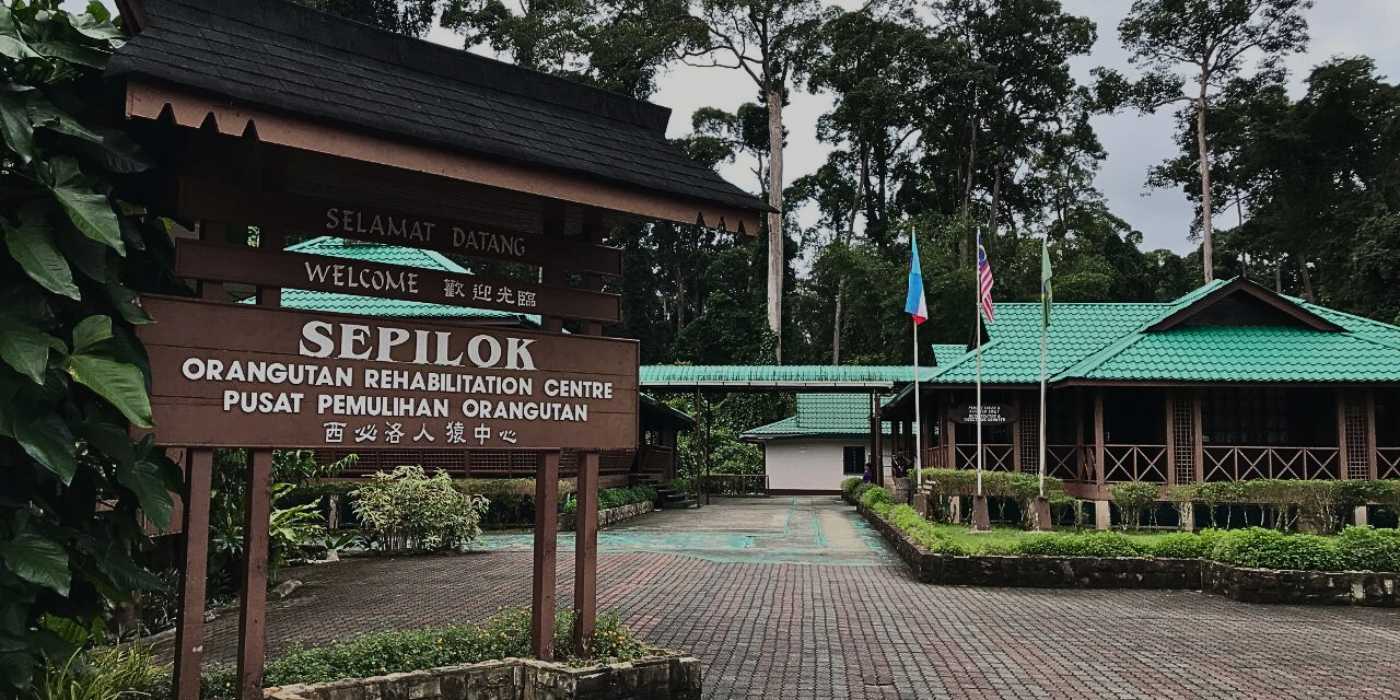
Sandakan and Sepilok are the usual gateways for Kinabatangan trips. A package can simplify road transfers, lodge accommodation, meals, cruises and guiding, particularly when travelers have limited time or are unfamiliar with rural connections.
Leave flexibility for heavy rain, changing river conditions and transport delays. Useful items include lightweight long clothing, rain protection, binoculars, insect repellent, a dry bag, a refillable bottle and quiet photography equipment. Flash should not be used where it disturbs wildlife or conflicts with guide instructions.
Before confirming a booking, check current transfer schedules, lodge inclusions, taxes, camera charges and cancellation terms. These details change and should not be assumed from an older article or social-media post.
A Responsible 3D2N Kinabatangan Outline
Day 1: Transfer from Sandakan or Sepilok, receive a lodge and safety briefing, then join a late-afternoon cruise. Add a guided night walk only where conditions and lodge rules allow.
Day 2: Take a dawn cruise, rest during the hotter part of the day, and join a forest, village or interpretation activity. Return to the river later, asking your guide about floodplain ecology and habitat connectivity rather than pursuing a species checklist.
Day 3: Join an optional final morning cruise and return toward Sandakan. Depending on the confirmed route, extend to Sepilok, Gomantong Cave or a community-based experience.
This pacing gives several chances to observe the landscape while avoiding the claim that any particular animal will appear.
Kinabatangan UNESCO Biosphere Reserve FAQ
Is Kinabatangan a UNESCO World Heritage Site?
No. It is a UNESCO-designated biosphere reserve under the Man and the Biosphere Programme. Biosphere reserves combine conservation, sustainable livelihoods, learning and research.
Is a Kinabatangan river cruise ethical?
It can be when the operator maintains distance, avoids chasing or feeding wildlife, manages noise and provides trained interpretation. Practices vary, so ask before booking.
Is one night enough?
One night offers a useful introduction, but 3D2N is generally better for first-time visitors because it includes several viewing periods.
Are pygmy elephant sightings guaranteed?
No. Bornean elephant movements are unpredictable, and responsible operators will not guarantee a sighting.
Should I stay in Sukau or Bilit?
Both can work. Compare the lodge, group size, cruise program, guide quality, transfer plan and conservation evidence rather than deciding on the village name alone.
Can families visit Kinabatangan?
Yes, provided the selected lodge, boat arrangements, walking activities and transfer lengths suit the children’s ages and comfort.
Compare Kinabatangan Tour Lengths Before You Book
Ecotour Malaysia can help match your available time with a practical wildlife itinerary that combines Sepilok, Kinabatangan and selected Sabah extensions. Ask for clear inclusions, realistic wildlife expectations and the right pace for your group.